







Wireless connectivity design for surveillance networks
Link planning, topology design, and equipment selection for wireless transport networks supporting cameras, sensors, and detection systems.
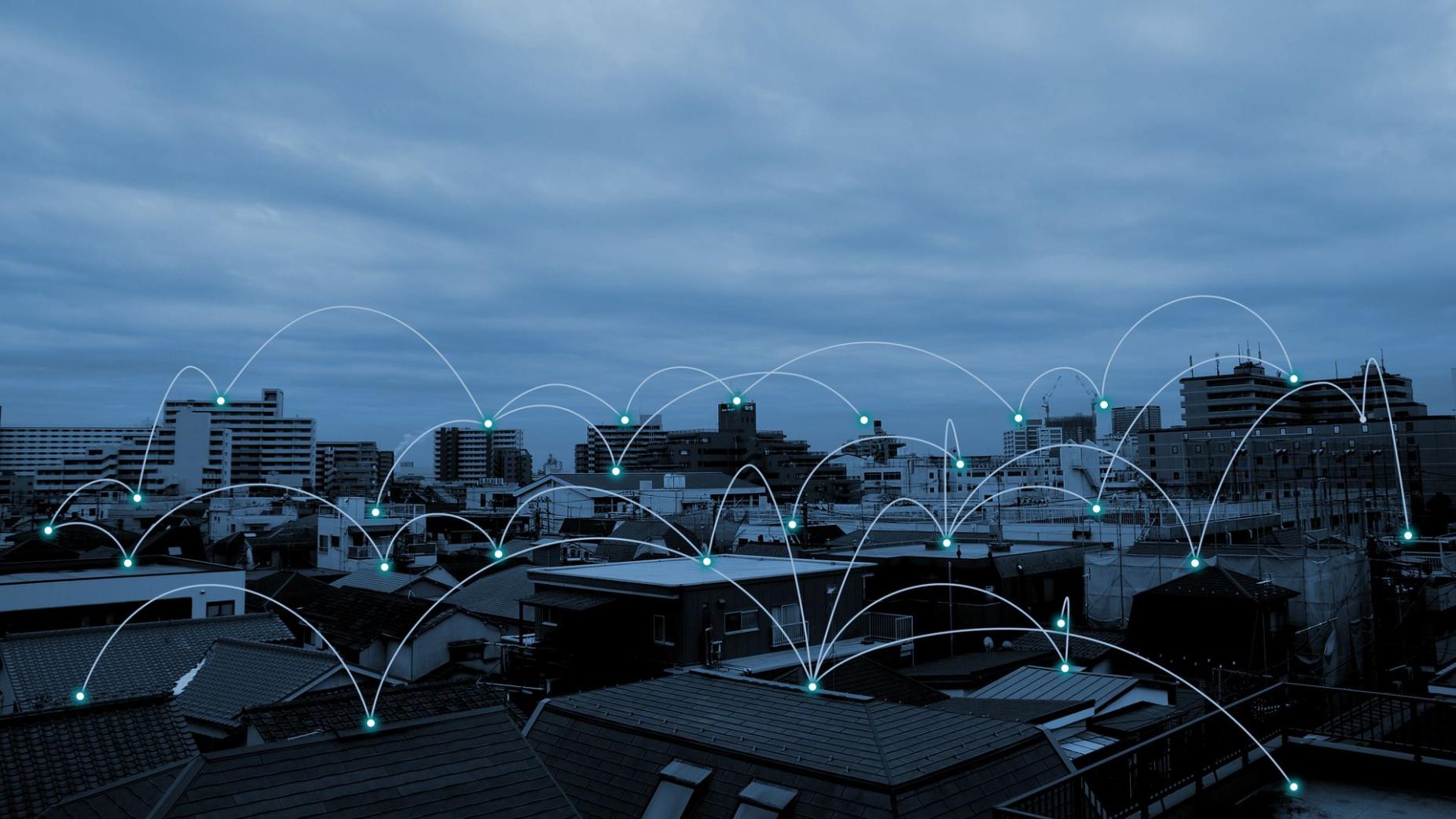
CellQual provides wireless connectivity engineering and network integration services for distributed surveillance and monitoring systems in civil, infrastructure, and public-safety environments. We design the wireless transport layer that carries video and sensor data reliably from field equipment to command platforms — ensuring that surveillance systems deliver the situational awareness they were designed to provide.

A surveillance system's effectiveness depends as much on its connectivity as on the quality of its cameras and sensors. High-definition video from a remote location is of no value if it cannot be transported reliably to the point where it can be monitored and acted upon. CellQual provides the wireless connectivity engineering that makes surveillance and monitoring systems operationally effective.
Our role covers the connectivity layer — the transport network that carries video, sensor data, and control signals between field equipment and the central command or monitoring platform. We help customers design the wireless transport, select appropriate equipment from established providers, integrate it into the surveillance system, test performance, and optimize throughput and availability.
We support civil and public-sector surveillance applications including city surveillance networks, road and motorway monitoring, border area monitoring, railway and transit system monitoring, utility and critical infrastructure monitoring, and environmental monitoring systems. In each case, the connectivity engineering challenge is to deliver reliable, high-bandwidth transport to locations that may be remote, unmanned, and difficult to reach with fiber.
Link planning, topology design, and equipment selection for wireless transport networks supporting cameras, sensors, and detection systems.

Engineering of wireless links capable of transporting high-definition and 4K video streams reliably to central monitoring infrastructure.
Design of hub-and-spoke, ring, or mesh transport architectures for networks of surveillance points spanning large geographic areas.
Engineering support for connecting the wireless transport layer to central video management systems and command and control platforms.
Assessment of existing surveillance networks to identify coverage gaps, bandwidth constraints, or availability issues limiting operational effectiveness.
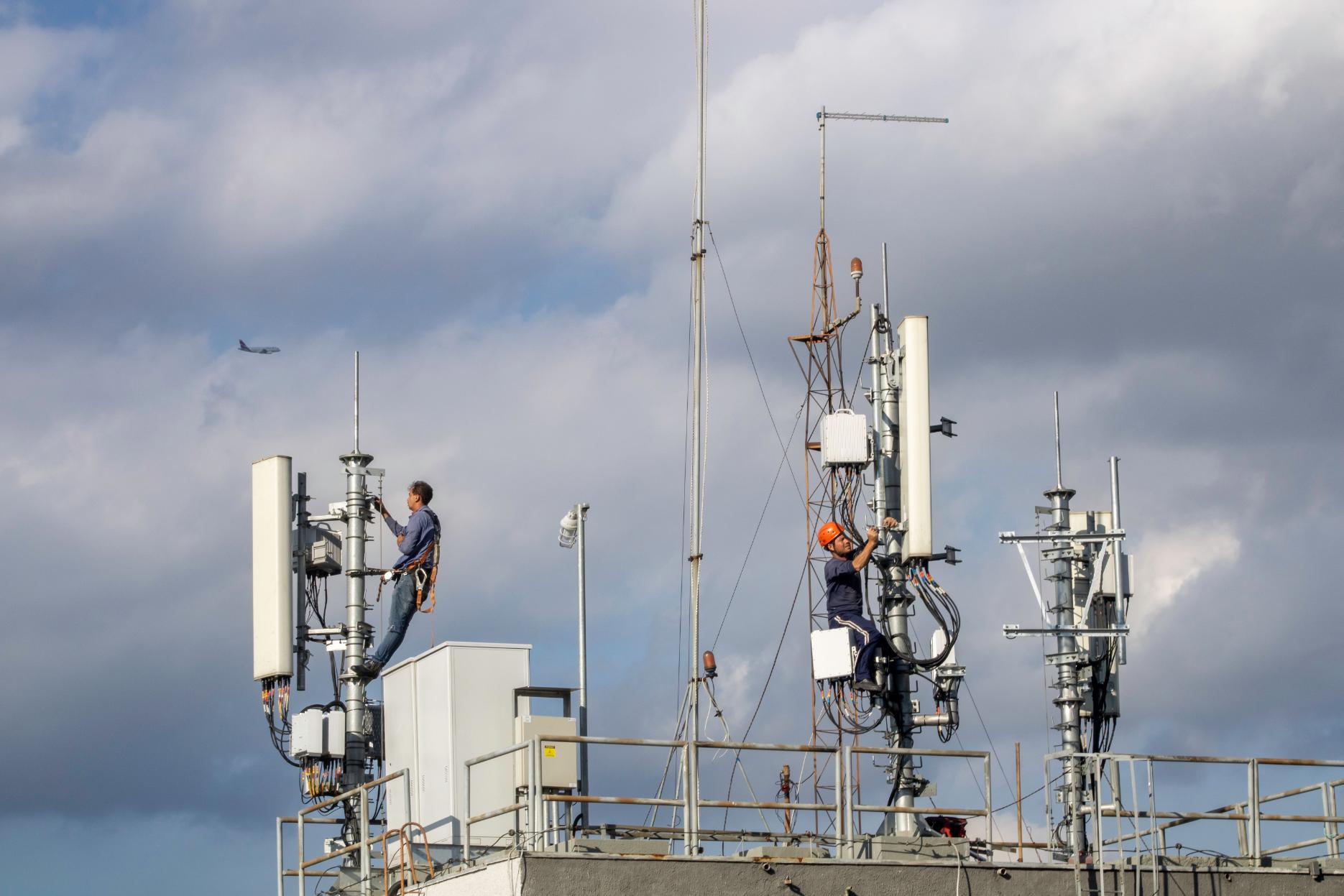
On-site engineering support for installation and commissioning of wireless connectivity equipment.
A city needs surveillance across public areas and transport.
An infrastructure operator needs to monitor a large or remote site.
A commercial site needs reliable surveillance and monitoring.
An organization needs to bring multiple cameras and sensors into one system.
Can’t find what you’re looking for? Talk to a CellQual engineer — we answer technical questions directly.
Common technologies for surveillance transport include licensed microwave and millimetre-wave links for longer distances and high capacity, WiFi mesh for shorter-range interconnection, and cellular data connections as a backup or for sites where a fixed wireless link is impractical. The right technology depends on the site distance, bandwidth requirement, and availability target. CellQual evaluates the options and recommends the most appropriate solution for each situation.
A standard high-definition video stream at 1080p typically requires between 4 and 10 Mbps depending on the codec, compression settings, and motion content. 4K video requires significantly more. A network transporting many cameras simultaneously requires careful capacity planning to ensure that available transport bandwidth is sufficient, particularly at aggregation points where multiple feeds combine.
Yes. In many deployments, surveillance connectivity shares infrastructure with other communication services. CellQual can engineer the integration of surveillance transport into existing networks, including appropriate traffic prioritisation and quality-of-service configuration to ensure that video traffic receives the bandwidth and priority it requires.
Microwave and millimetre-wave links are affected by heavy rain, particularly at higher frequencies (above 18 GHz) where rain attenuation is significant. CellQual's link design includes rain margin calculations based on the ITU-R rain attenuation model for the geographic location, ensuring that designed availability is maintained across normal weather conditions. In high-rainfall regions, frequency selection and link design are adjusted accordingly.
Surveillance network security requires multiple layers: encrypted wireless links to prevent interception of video streams, network authentication to prevent unauthorized devices from connecting, access control for the management platform, and physical security for network infrastructure points. CellQual addresses security requirements as part of the connectivity design, not as a post-deployment addition.
Resilient surveillance networks are designed with path redundancy, alternative routes, or automatic failover to backup connectivity (such as cellular data) to maintain at least partial surveillance capability during link failures. CellQual assesses the availability requirement for each network and designs the appropriate level of redundancy to meet it.

CellQual provides wireless connectivity engineering for surveillance and monitoring systems. Contact us to discuss your connectivity and integration requirement.