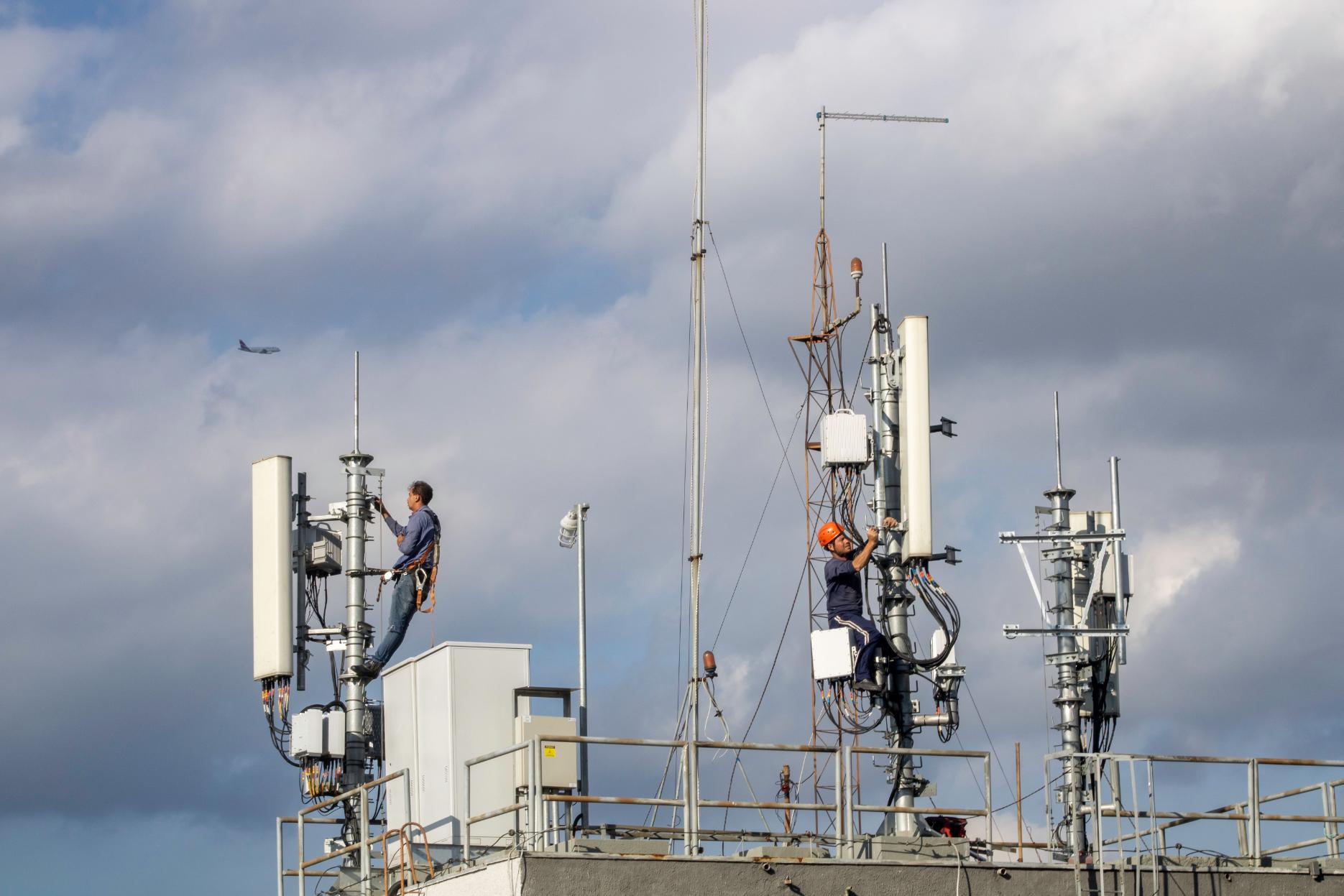












Connectivity requirement assessment
Structured assessment of bandwidth needs, availability requirements, latency constraints, and operational environment for remote site connectivity.
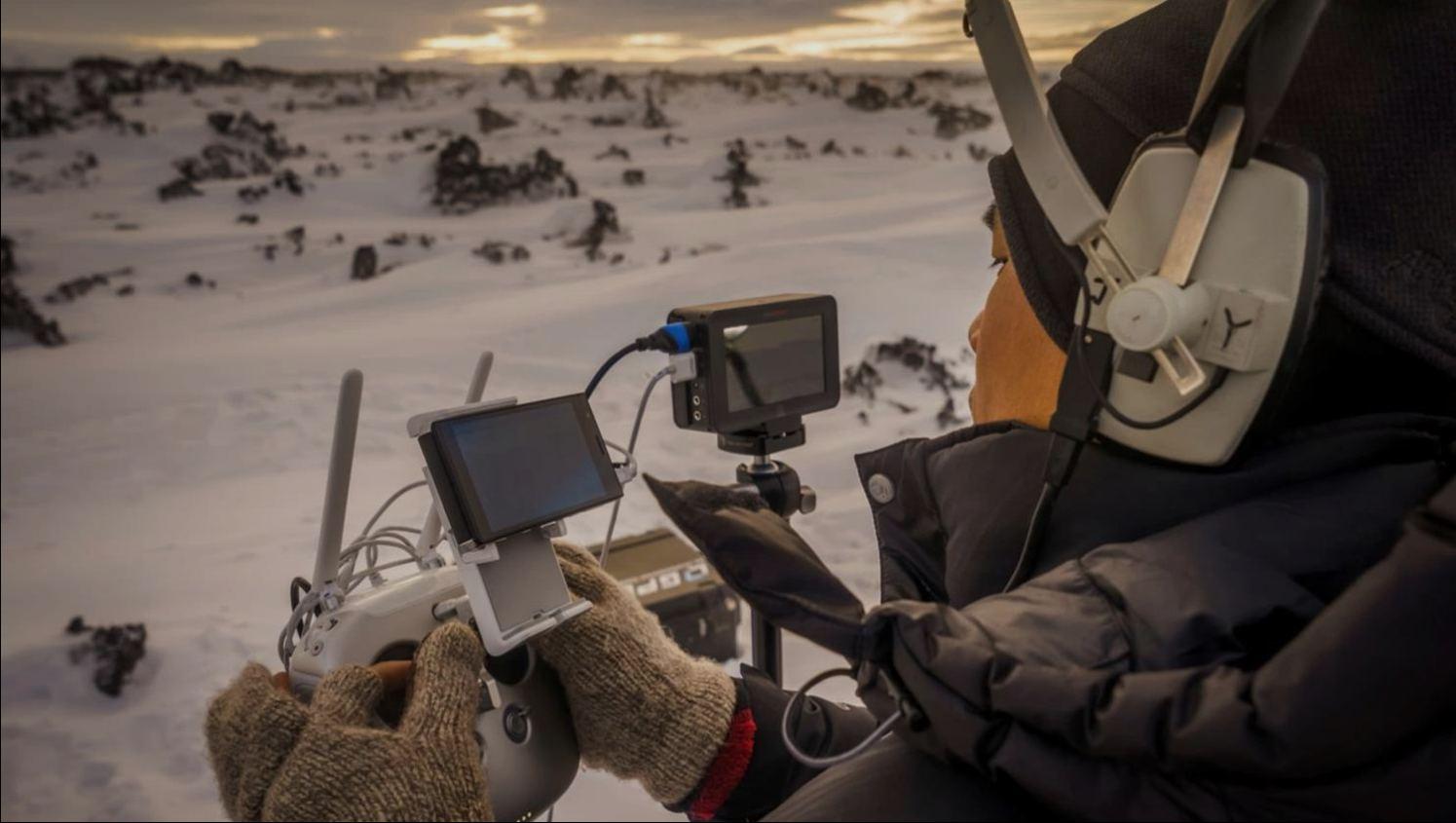
CellQual provides connectivity engineering and sourcing support for organizations requiring reliable communications at remote, temporary, or difficult-access locations where conventional infrastructure is unavailable. CellQual evaluates available technologies across microwave, satellite, and cellular options and recommends the solution that best fits the site geometry, bandwidth requirement, power constraints, and operational environment.
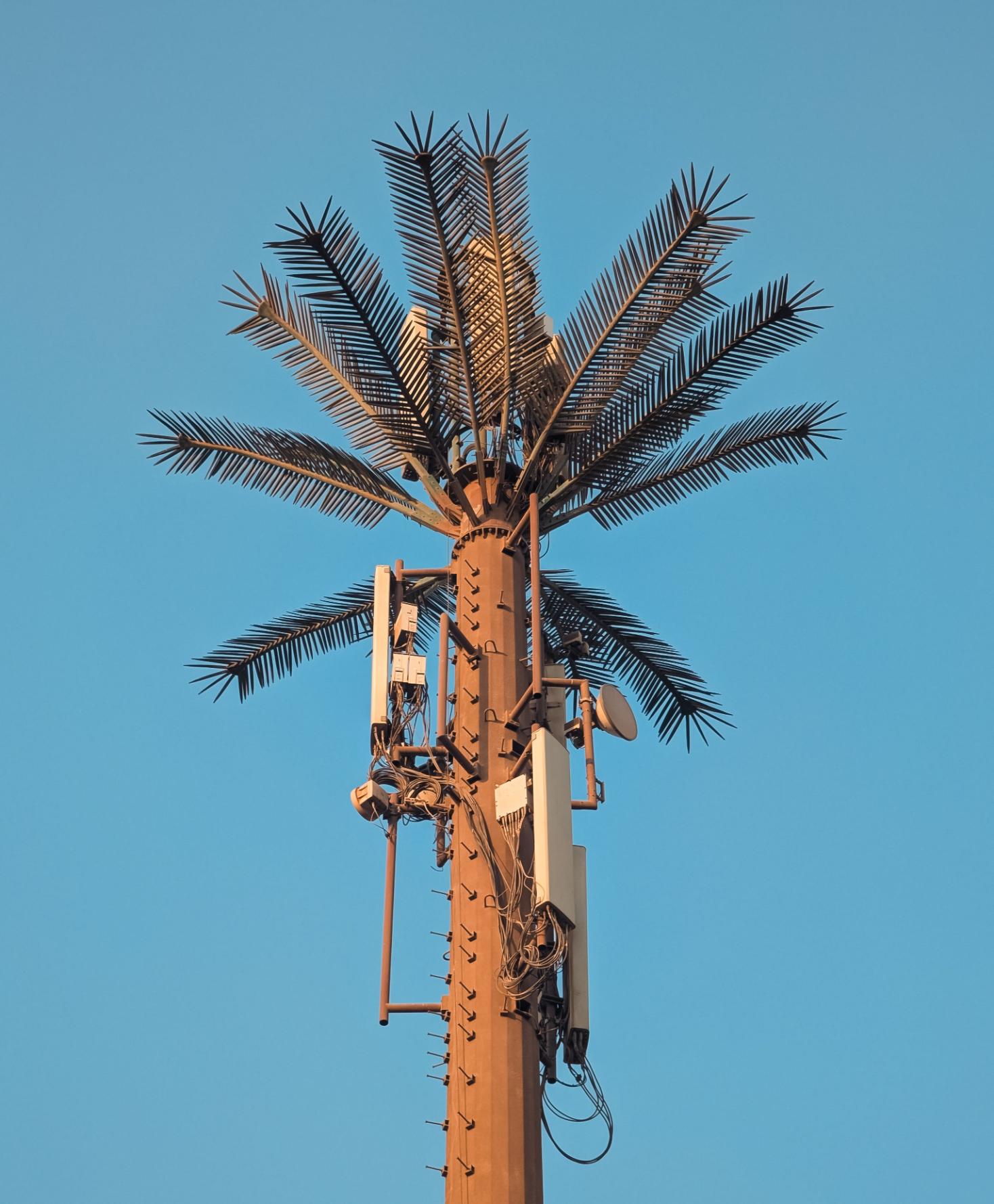
Some of the most important connectivity challenges occur in places where traditional infrastructure doesn't exist. Remote oil and gas facilities, border monitoring posts, temporary forward operating bases, disaster response sites, mining operations in rugged terrain, and scientific research stations all need reliable communications — and all face the same challenge: conventional fiber or cellular infrastructure is not available.
CellQual provides engineering and sourcing support for connectivity in these environments. We assess the operational requirement, evaluate technology options from established providers, and support the deployment of solutions that work in challenging conditions. Technologies may include licensed and unlicensed microwave links, satellite communications, cellular repeaters, mobile command and communications nodes, and combinations of technologies working together to provide the required coverage and capacity.
The engineering challenge in remote and austere environments goes beyond technology selection. Power availability, equipment durability, installation logistics, and maintenance accessibility all affect the practical viability of different solutions. CellQual's approach considers the full operational context, not just the technical connectivity requirement.
Structured assessment of bandwidth needs, availability requirements, latency constraints, and operational environment for remote site connectivity.
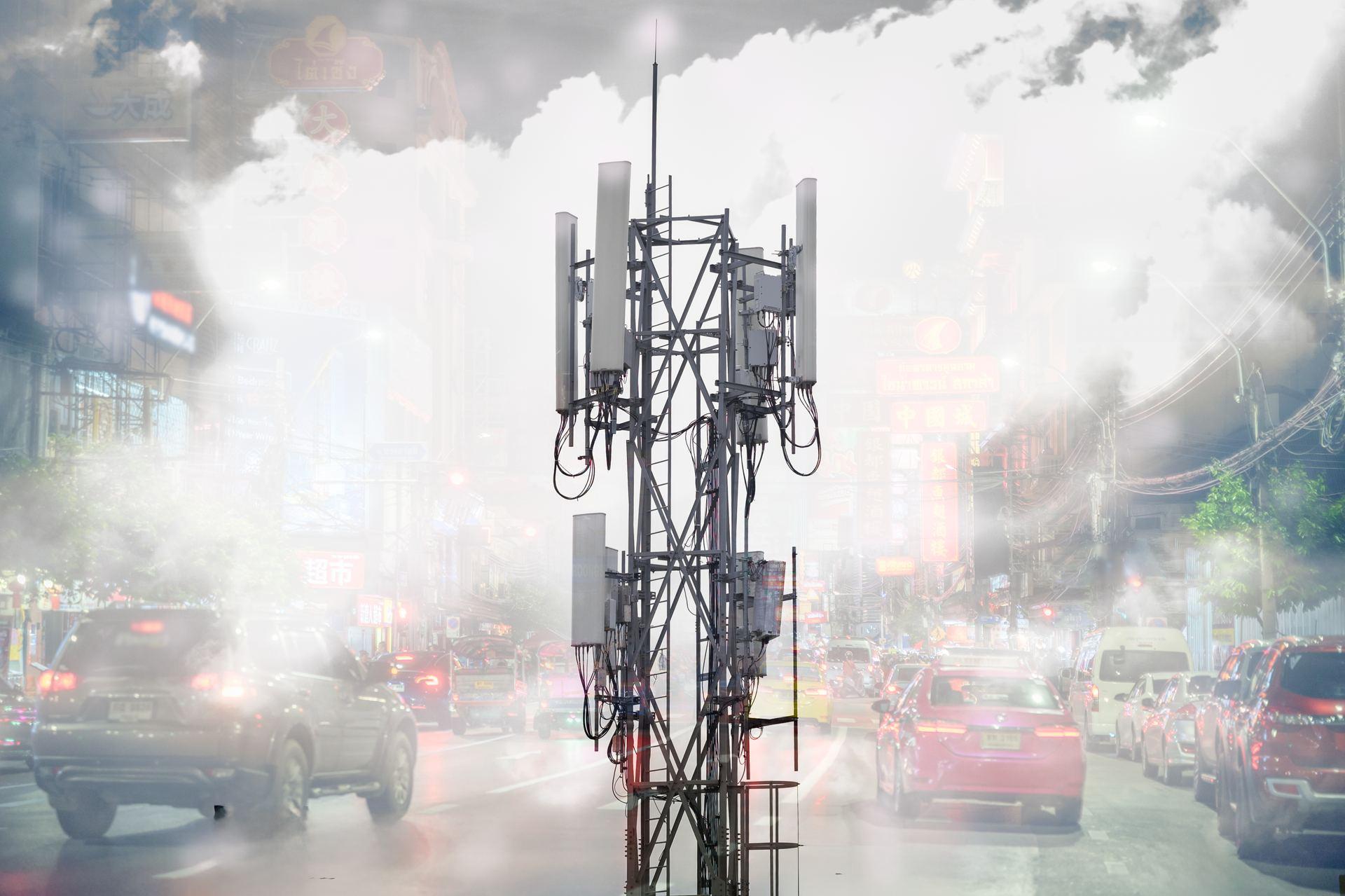
Vendor-independent evaluation of microwave, millimetre-wave, satellite, and cellular connectivity options suited to the specific site and requirement.
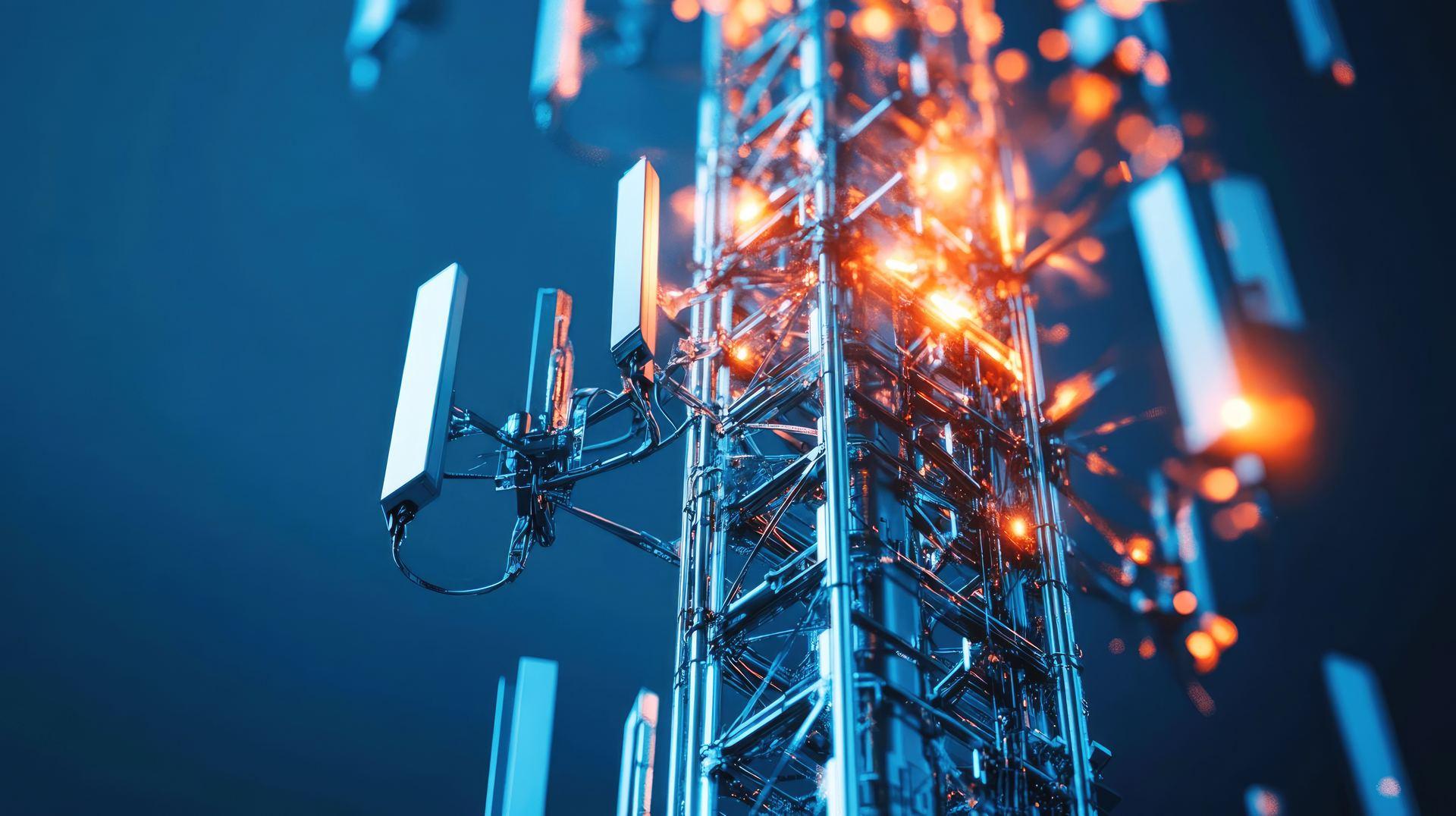
Engineering design of the connectivity solution, including equipment specification, power requirements, and physical installation considerations.
Coordination of equipment supply from established vendors for the selected connectivity solution.

Technical support for installation in challenging environments, including guidance on mounting, alignment, and power management.

Engineering support for temporary or rapidly deployable connectivity solutions for emergency response, temporary operations, or event connectivity.
A remote industrial site needs reliable connectivity with no nearby infrastructure.
A field operation needs connectivity established quickly in a remote area.
A government operation needs links across difficult terrain.
An operation needs connectivity restored where infrastructure has been disrupted.
Can’t find what you’re looking for? Talk to a CellQual engineer — we answer technical questions directly.
In locations without fiber or commercial cellular coverage, the main options are licensed or unlicensed point-to-point microwave and millimetre-wave radio links, satellite communications (geostationary, medium-earth-orbit, or low-earth-orbit), cellular repeaters extending coverage from the nearest cell site, and in some cases high-altitude platform systems for wide-area coverage. The right technology depends on the distance from infrastructure, bandwidth requirement, latency tolerance, power availability, and budget.
Modern satellite connectivity, particularly low-earth-orbit systems, can deliver high bandwidth with significantly lower latency than traditional geostationary systems. For many operational requirements including video, data, and voice, current satellite technology is viable. However, satellite bandwidth may still be more expensive per bit than terrestrial alternatives, and availability in very remote locations may depend on satellite coverage footprint. CellQual can assess whether satellite is an appropriate option for your specific requirement.
Power is a critical constraint for remote site connectivity. Where mains power is unavailable, options include solar panels with battery storage, small wind turbines, diesel generators, and combinations of these. CellQual assesses the power requirement as part of the connectivity design and can advise on power infrastructure options, but detailed power system design may require specialist input beyond CellQual's standard scope.
Geostationary satellite communications have inherent round-trip latency of approximately 500 to 600 milliseconds due to the orbital altitude of 35,786 km. This latency affects real-time applications including voice calls, interactive video, and control system protocols. Low-earth-orbit (LEO) satellite systems such as Starlink operate at altitudes of 550 to 1,200 km, providing round-trip latency of 20 to 40 milliseconds, which is suitable for most operational applications. CellQual assesses latency requirements when evaluating satellite connectivity options.
Where multiple remote sites are located in the same geographic area, point-to-multipoint wireless systems can provide an efficient architecture — one hub site with line-of-sight to multiple remote locations, aggregating traffic from all remotes at the hub. Where sites are too dispersed for a single hub, a mesh or daisy-chain topology may be more practical. CellQual evaluates the site geometry and designs the most efficient network topology for the specific configuration.
Common redundancy approaches for remote connectivity include: primary microwave link with cellular data as backup; dual satellite connections on different orbital planes; a combination of microwave and satellite; and, where feasible, physical diversity across two separate propagation paths. The appropriate approach depends on the availability requirement, the operational consequence of connectivity loss, and the budget.

CellQual provides connectivity engineering for remote, temporary, and difficult-access locations. Contact us to discuss your site requirement.