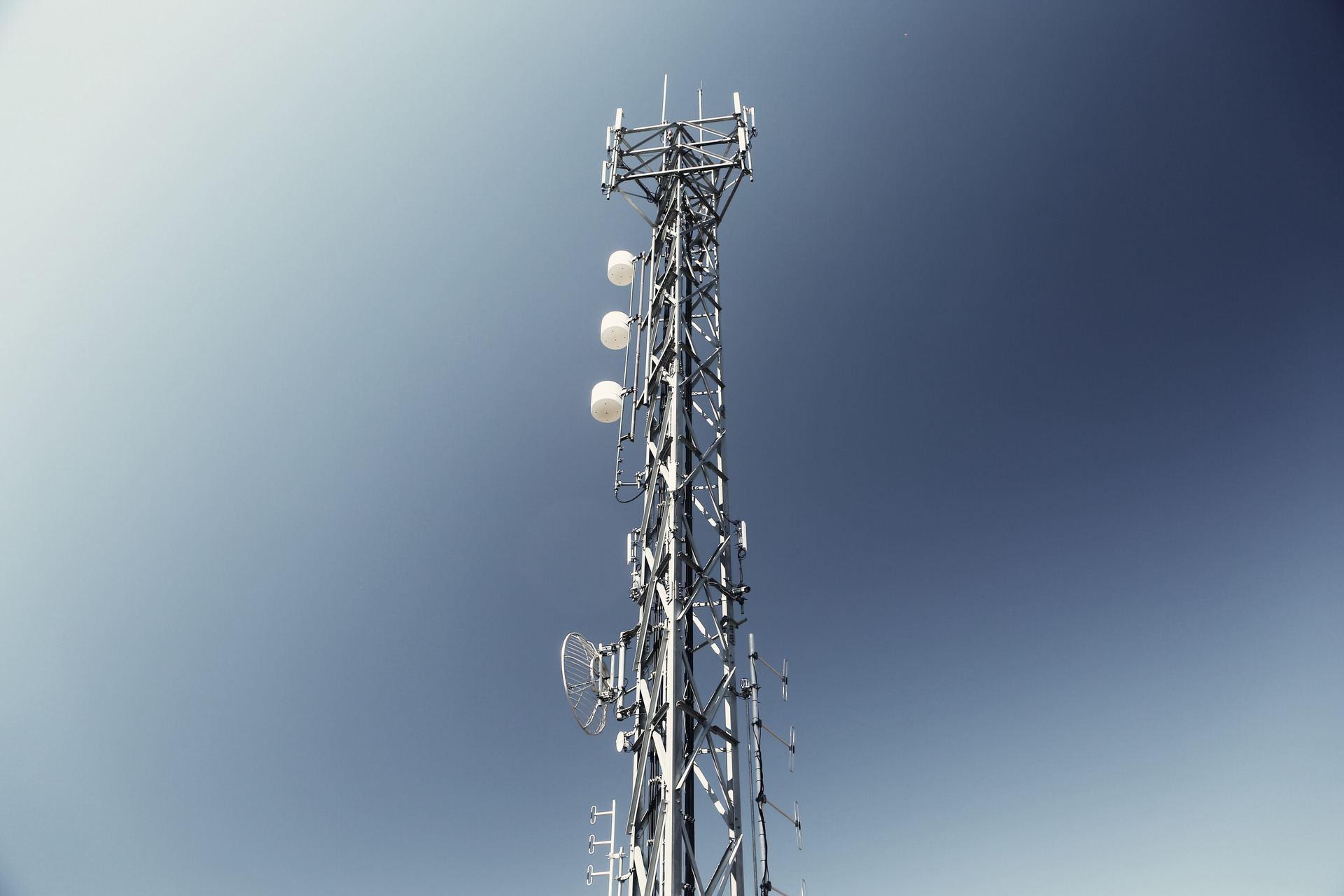












Link planning and path engineering
Propagation analysis, Fresnel zone clearance assessment, antenna sizing, and link budget calculation for new microwave and millimetre-wave transport links.
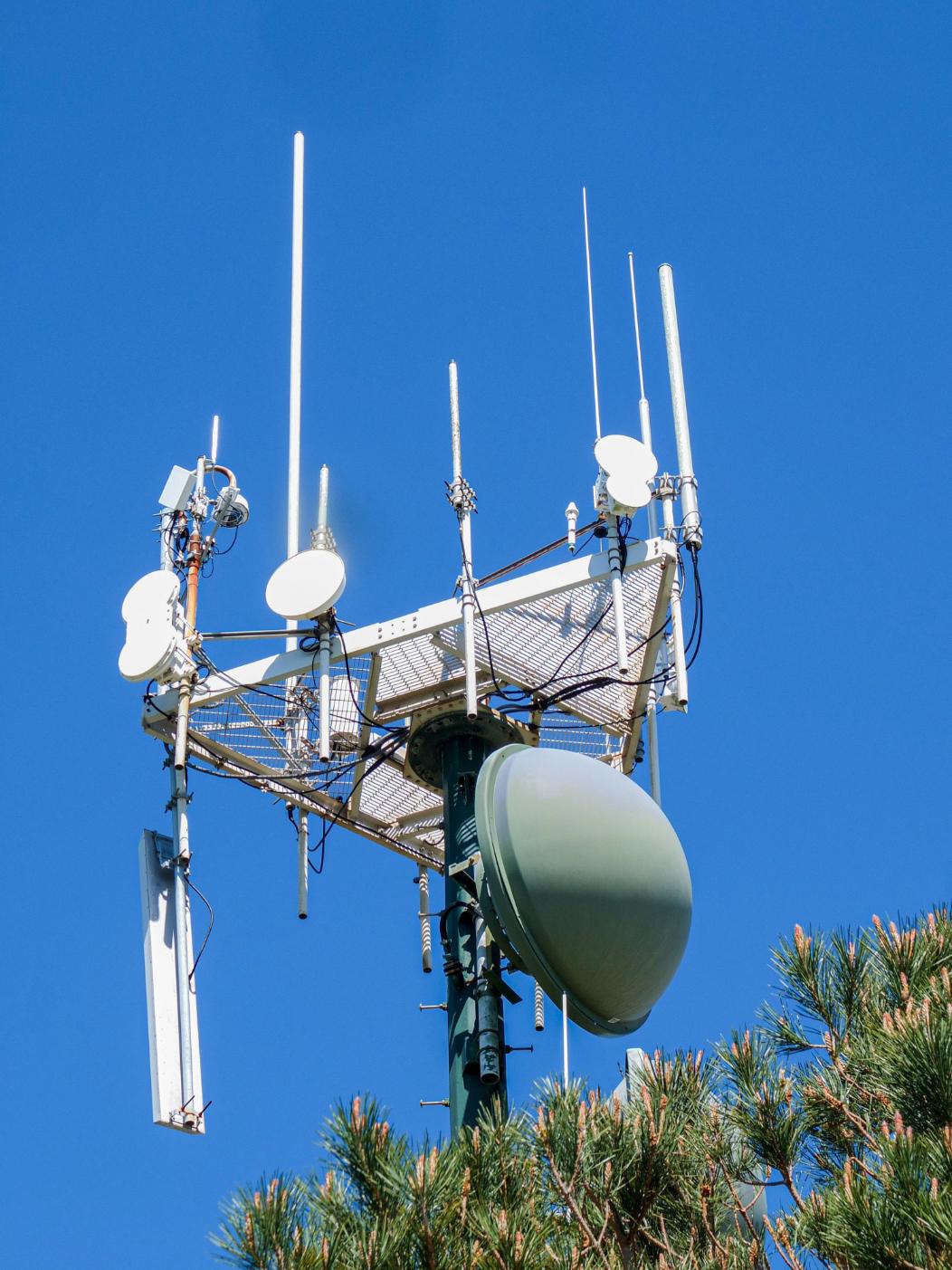
CellQual provides wireless transport engineering services for mobile operators, private network owners, and government organizations — covering link planning, technology evaluation, equipment sourcing, integration, and performance optimization for point-to-point and point-to-multipoint transport networks. We do not manufacture transport equipment; we provide the link planning, engineering, integration, and performance validation that allow organizations to procure and operate wireless transport with confidence.

Transport and backhaul are the invisible backbone of every mobile network. Every base station, every remote site, every edge computing node depends on a reliable, high-capacity transport link to carry traffic to and from the core network. When transport is inadequate, the radio network's performance is limited regardless of how well the radio access has been planned and optimized.
Wireless transport — primarily point-to-point microwave and millimetre-wave radio links — provides an economical, rapidly deployable alternative to fiber in environments where fiber is not available, where deployment timescales are critical, or where the economics of fiber installation do not justify the investment. Modern microwave systems support multi-gigabit per second capacity in licensed frequency bands from below 6 GHz to millimetre-wave frequencies above 70 GHz, and increasingly support advanced modulation schemes that extract maximum capacity from available spectrum.
CellQual provides the engineering services that allow organizations to design, procure, deploy, and operate wireless transport networks. We work with established transport equipment vendors and help customers select the right technology for their requirement, plan the link, integrate the equipment into the network, test performance, and optimize operation over time.
Propagation analysis, Fresnel zone clearance assessment, antenna sizing, and link budget calculation for new microwave and millimetre-wave transport links.

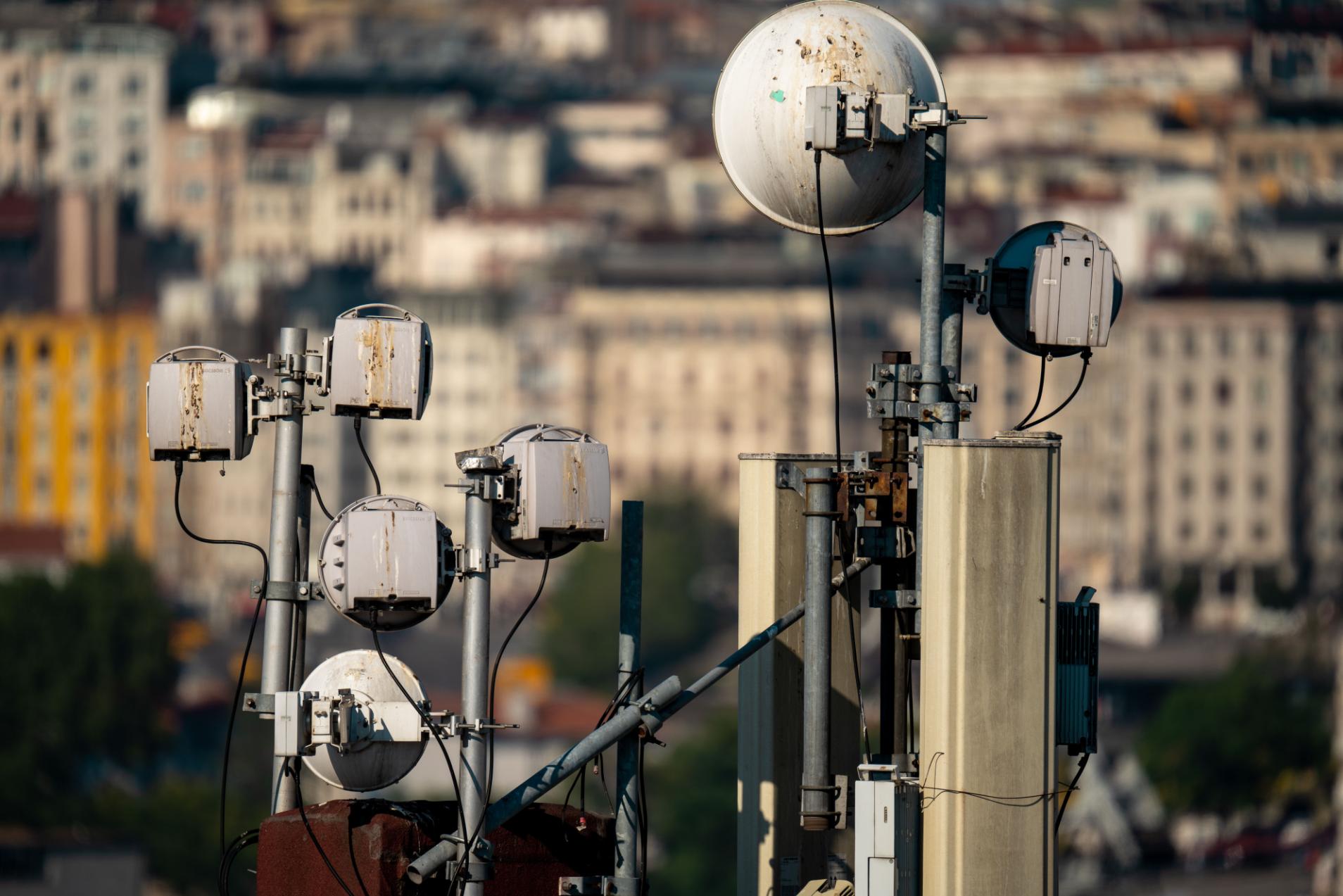
Physical and RF site surveys to confirm link feasibility, identify obstruction risks, and assess installation requirements.

Vendor-independent assessment of transport equipment options suited to the specific capacity, distance, spectrum, and environmental requirements.

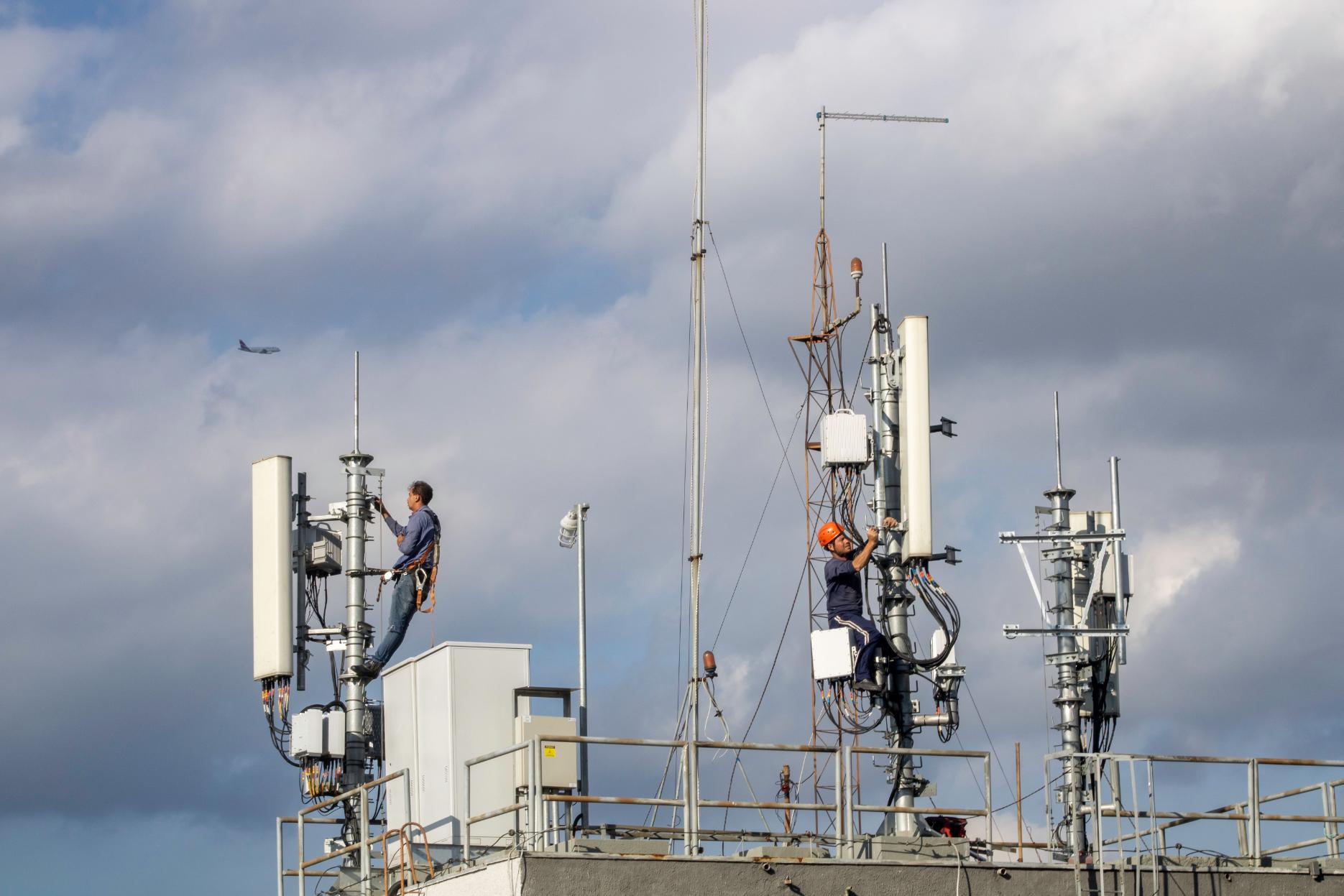
Coordination of equipment supply from established vendors and integration engineering for deployment and commissioning.

Systematic commissioning of new transport links including alignment, configuration, performance measurement, and acceptance documentation.
Design of transport network topologies — ring, star, mesh — to meet availability and resilience requirements.

Analysis of transport link performance data and adjustment of system parameters to maintain capacity and availability targets.

Assessment of existing transport links against growing traffic demand and engineering of capacity expansion or link replacement.
An operator needs backhaul connecting base stations to the core network.
A government operation needs reliable transport links between sites.
An industrial site needs high-capacity connectivity across a large area.
A network needs transport links in locations where fibre is not practical.
Can’t find what you’re looking for? Talk to a CellQual engineer — we answer technical questions directly.
Microwave and millimetre-wave backhaul uses a wide range of frequency bands depending on the link distance and required capacity. Lower frequency bands (6–11 GHz) provide longer range with moderate capacity. Higher bands (18–42 GHz) offer higher capacity over shorter distances. Millimetre-wave bands (57–88 GHz, commonly called E-Band and V-Band) provide very high capacity but over shorter distances and in favourable propagation conditions. The right frequency depends on the link geometry, availability requirement, and local spectrum licensing.
Licensed spectrum provides exclusive or coordinated use rights in a specific geographic area, minimising interference from other users and providing predictable performance. Unlicensed spectrum (such as the 5.8 GHz or 60 GHz bands) is shared with other users and may be subject to interference that affects performance. For mobile network backhaul and other mission-critical transport, licensed spectrum is generally preferred. Unlicensed bands may be appropriate for lower-criticality or short-range applications.
Mobile network backhaul typically targets annual availability of 99.999% (five nines) for main transport links, representing less than five minutes of downtime per year. Achieving this requires appropriate link planning to include adequate fade margin, rain attenuation margins suited to the geographic location, and in some cases link diversity or redundancy arrangements. CellQual's link planning takes availability targets as a key design input.
CellQual provides engineering and professional services for transport network planning, integration, and optimization. Spectrum licences for transport links are held by the network operator or the customer, not by CellQual. CellQual can advise on the spectrum licensing process and support licence applications, but the licence itself is the customer's responsibility in the relevant jurisdiction.
Deploying a new microwave link follows a structured process: link planning and path analysis, site survey to confirm feasibility, equipment selection, licence application (for licensed spectrum), equipment supply, installation, antenna alignment, commissioning, testing, and handover. CellQual can support all or part of this process depending on the customer's requirement and internal capability.

CellQual provides wireless transport engineering from initial planning through to deployment and ongoing performance management. Contact us to discuss your transport requirement.