










Tactical radio selection and supply
Assessment of operational requirements and recommendation of appropriate tactical radio systems from established providers, followed by supply through authorized channels.
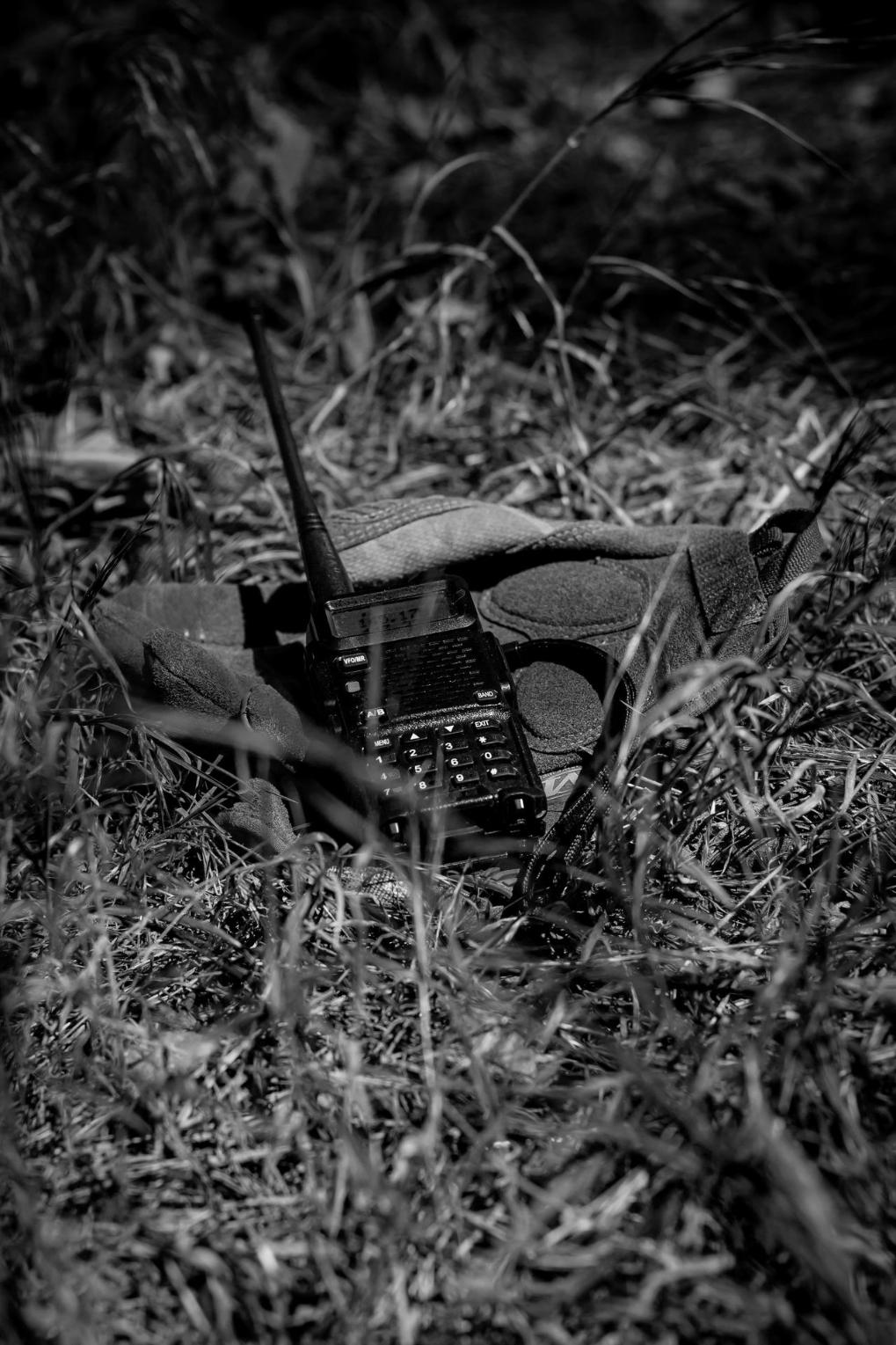
CellQual provides engineering and integration support for tactical communications systems where security, low probability of interception, resistance to interference, and operational resilience are primary requirements. All tactical communications engagements are handled with strict attention to classification requirements, export-control obligations, and the operational security standards of each customer.
Tactical communications operate in environments where communications security is as important as communications capability. Traffic must be protected from interception, systems must be resistant to jamming and interference, and operational flexibility requires that the same equipment can function across multiple frequency bands and modes as the mission evolves.
CellQual's role is as an engineering and integration partner for tactical communications requirements. We support the selection, integration, testing, and ongoing technical management of tactical radio and communications systems from established technology providers. We do not manufacture tactical communications equipment.
Our support extends from individual system selection and integration to multi-element tactical communications architectures connecting forward units, vehicle platforms, command posts, and higher headquarters. We work with customers to define requirements, assess options, manage procurement, oversee integration, and conduct structured acceptance testing.

Assessment of operational requirements and recommendation of appropriate tactical radio systems from established providers, followed by supply through authorized channels.
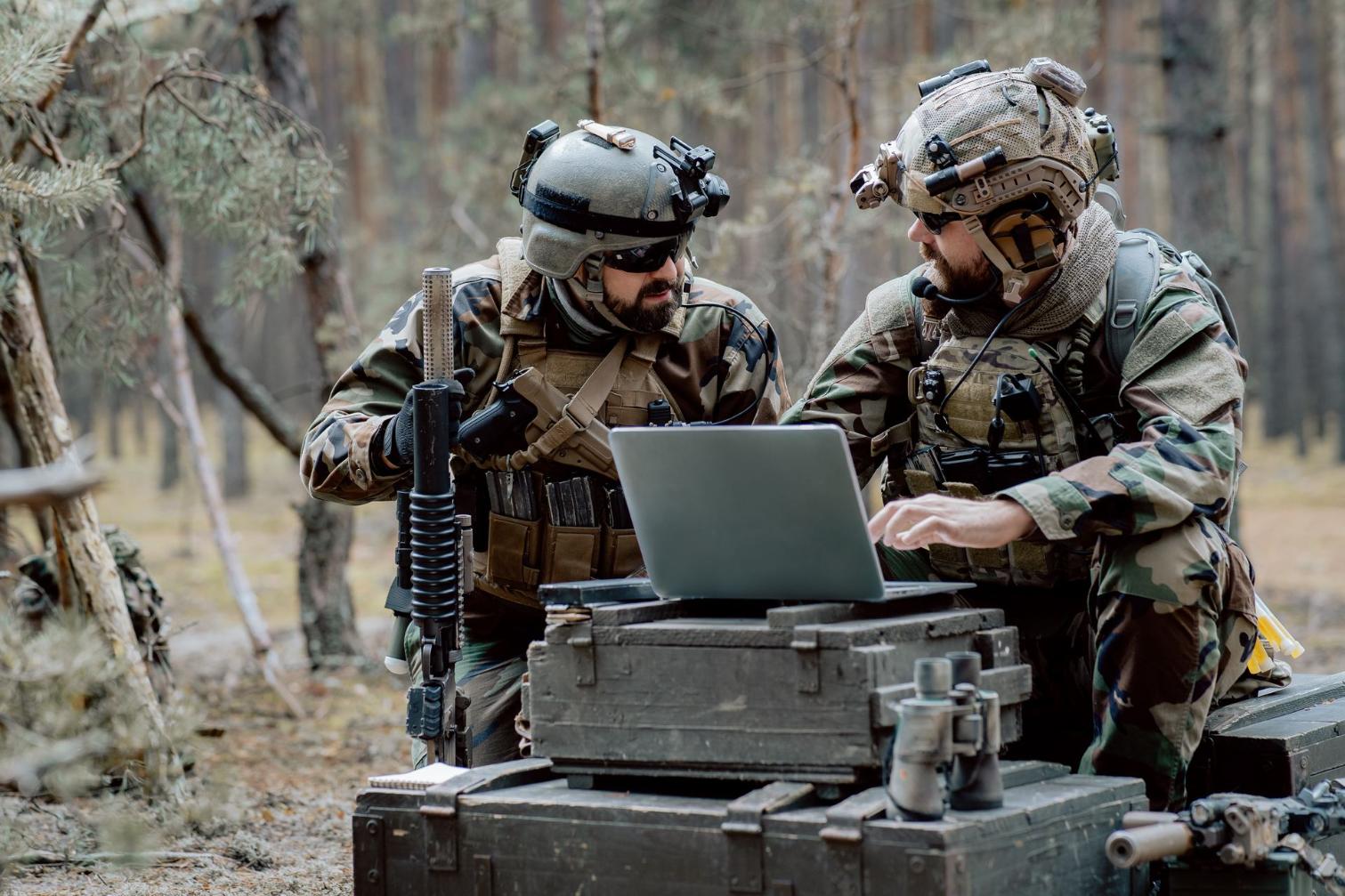
Encryption key management, waveform configuration, and security parameter loading for tactical radio systems.
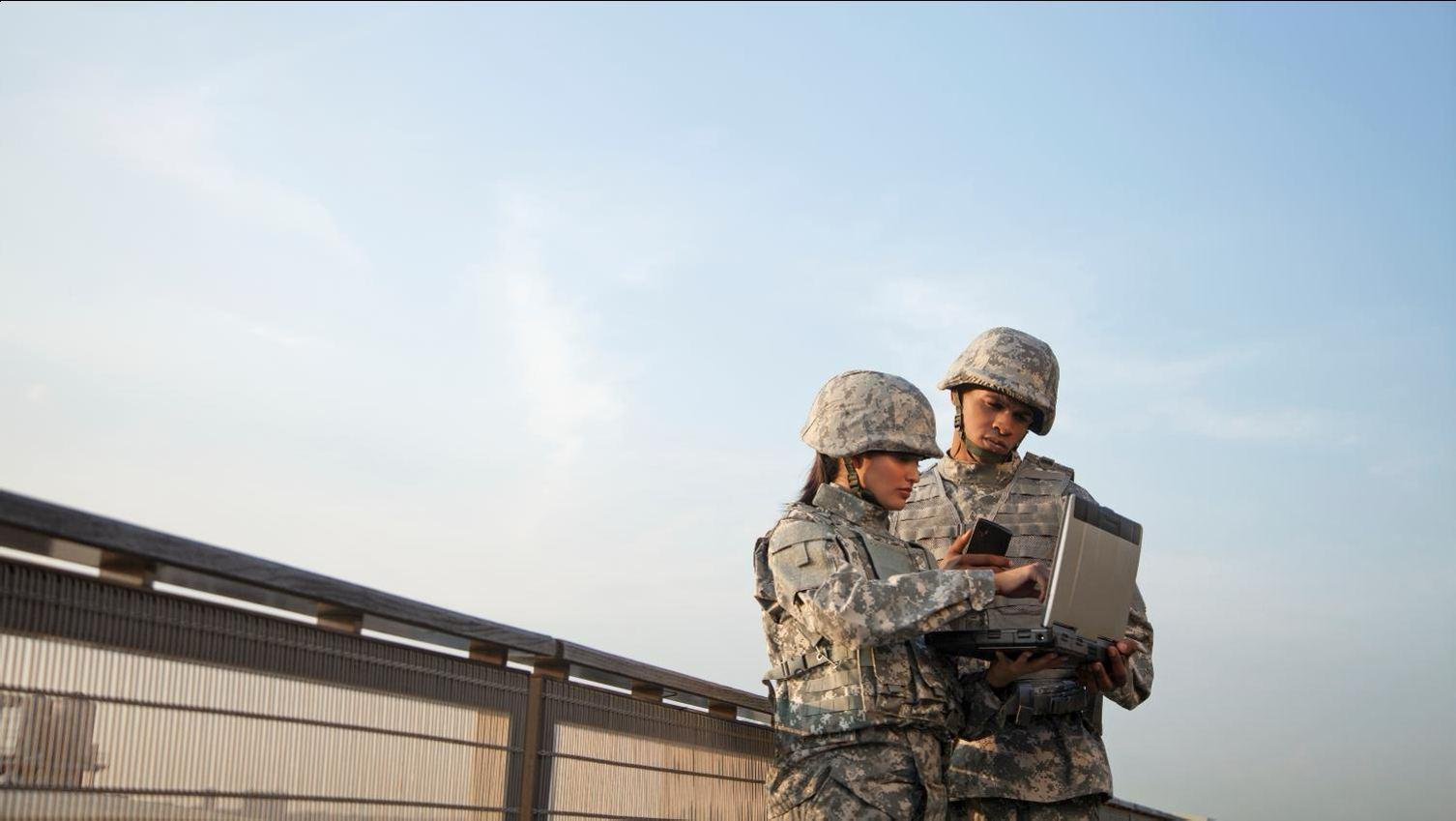
Integration of portable, vehicle, and fixed tactical radio components into a coherent communications architecture.
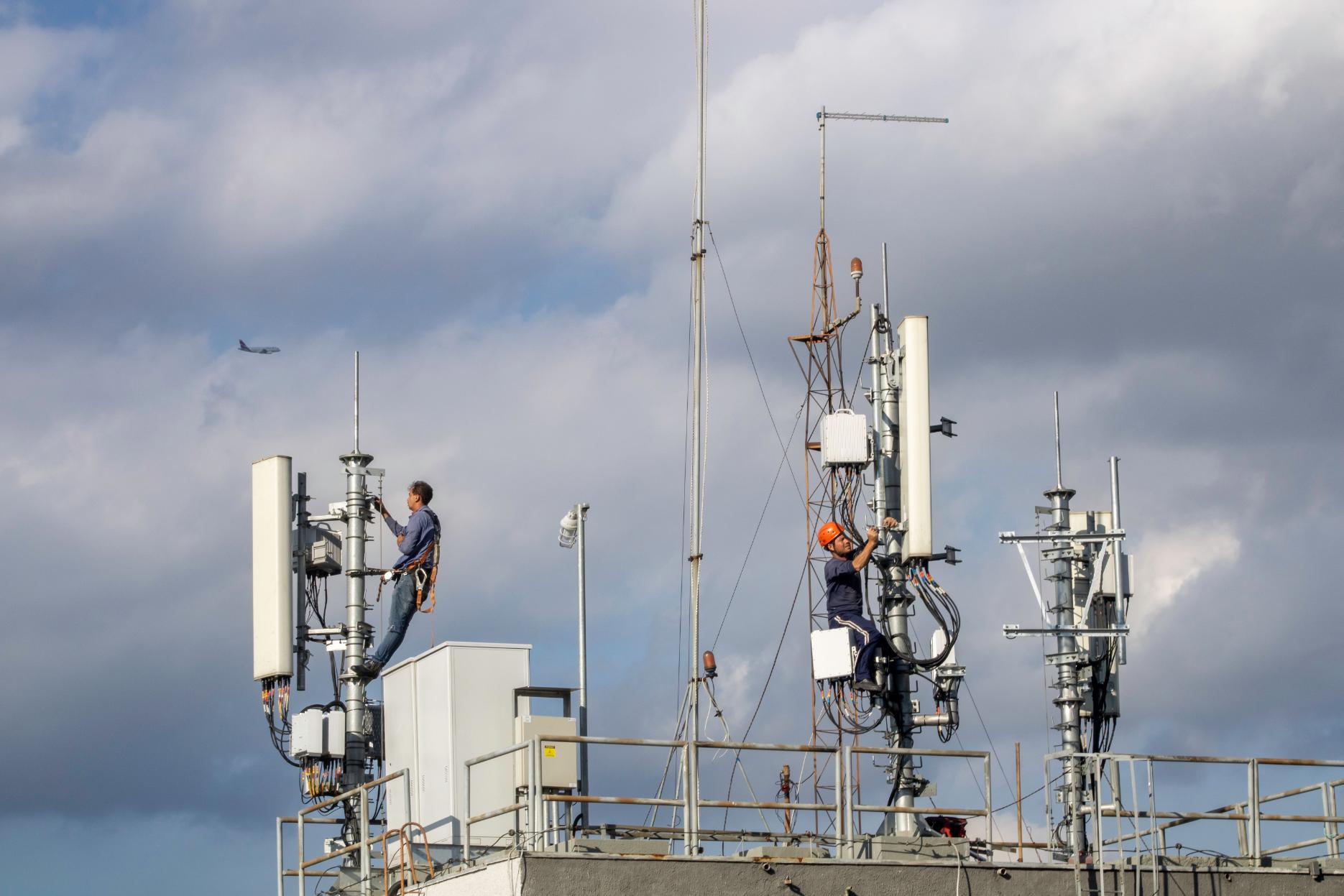
Engineering of gateways and interfaces that connect tactical radio networks to strategic communications systems, satellite links, and data networks.

Structured tactical communications testing including range tests, encryption verification, interoperability checks, and operational scenario exercises.
Ongoing engineering support, fault investigation, and maintenance coordination for deployed tactical communications systems.
We review the operational environment, security needs, and interoperability requirements.
We design a communication setup using proven systems from trusted partners.
We support integration, configuration, and deployment.
We remain available for support and adjustment as needs change.
A defense organization needs secure communication across units and command.
A public safety body needs interoperable, secure communication for joint operations.
A border security operation needs reliable communication across a wide area.
An emergency response team needs secure communication during a coordinated response.
Can’t find what you’re looking for? Talk to a CellQual engineer — we answer technical questions directly.
CellQual coordinates the supply of tactical communications equipment through authorized channels. For export-controlled tactical communications equipment, supply is subject to applicable export regulations, end-user certification, and government authorisation requirements.
Tactical communications typically require encryption that meets government or military security standards. The specific requirements depend on the classification level of the traffic and the national standards of the operating organization. CellQual can advise on the requirements applicable to your program and operational environment.
Yes. Many tactical communications architectures include satellite communication as a backbone or backup capability. CellQual can provide engineering support for integrating tactical radio networks with SATCOM systems, including the gateway equipment, routing configuration, and testing needed to make the integration operationally effective.
Low probability of intercept (LPI) describes communication techniques designed to reduce the likelihood that a transmission can be detected or located by an adversary. This may involve frequency hopping, spread spectrum techniques, directional antennas, reduced transmission power, or time-division approaches. CellQual advises on LPI requirements and applicable technology options within the regulatory and export-control framework applicable to each engagement.
Encryption key management is a critical and often underestimated element of tactical communications security. Keys must be generated securely, distributed to radios without exposure, changed at appropriate intervals, and revoked promptly for compromised units. CellQual advises on key management architecture and processes as part of tactical communications engagements. Physical key loading, over-the-air rekeying, and key management centre integration are all considerations.

CellQual provides engineering and integration support for tactical communications programs. Contact our defense team to discuss your requirement in confidence.