









Sensor integration engineering
Integration of camera, radar, acoustic, and other sensor systems into unified command and control platforms.
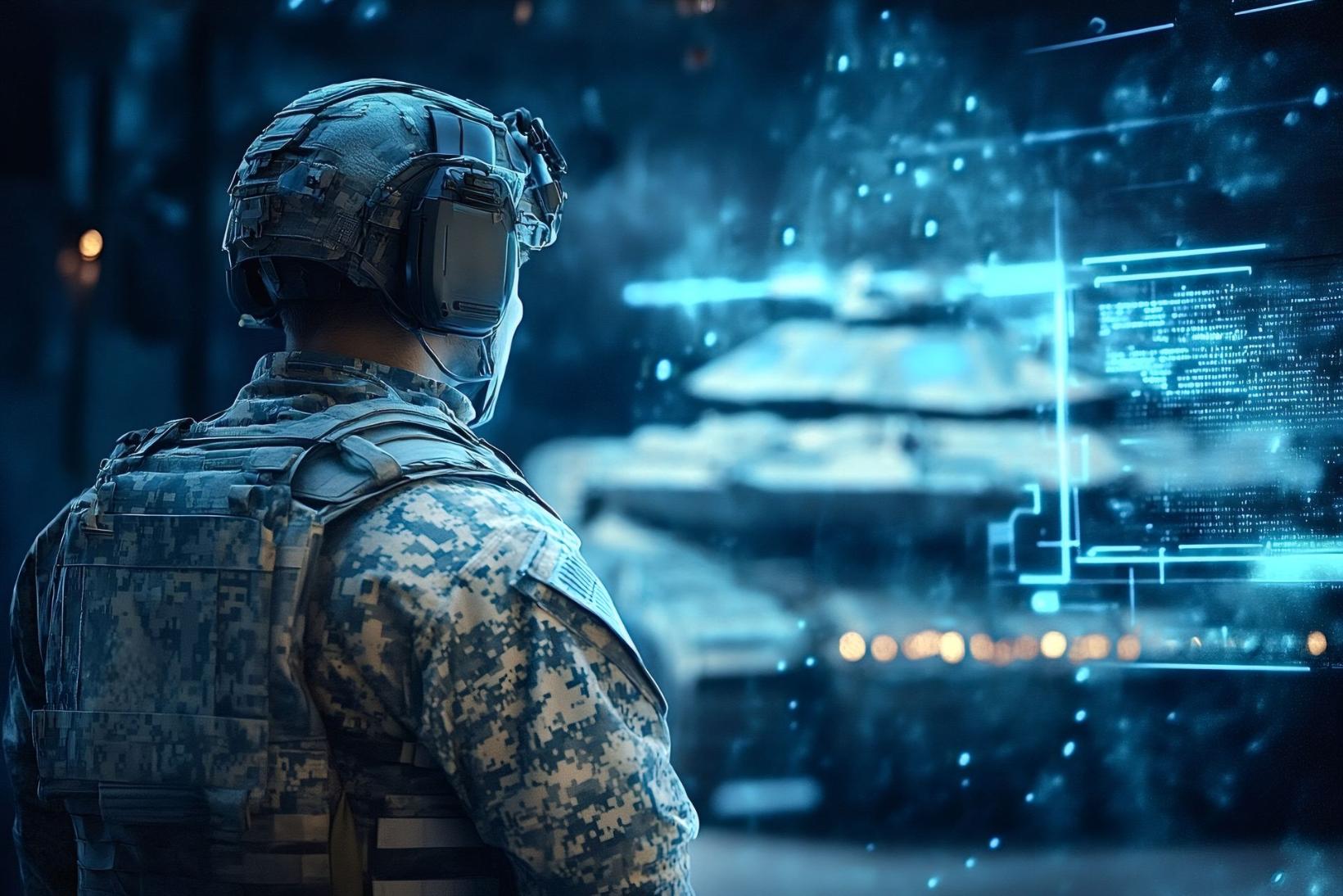
CellQual supports the integration of surveillance, sensor, and detection systems for perimeter security, area monitoring, and situational awareness in defense, border, and critical infrastructure environments CellQual provides the integration engineering that connects sensors, cameras, and detection systems to command platforms — ensuring that situational awareness data reaches decision-makers reliably and in time to be actionable.
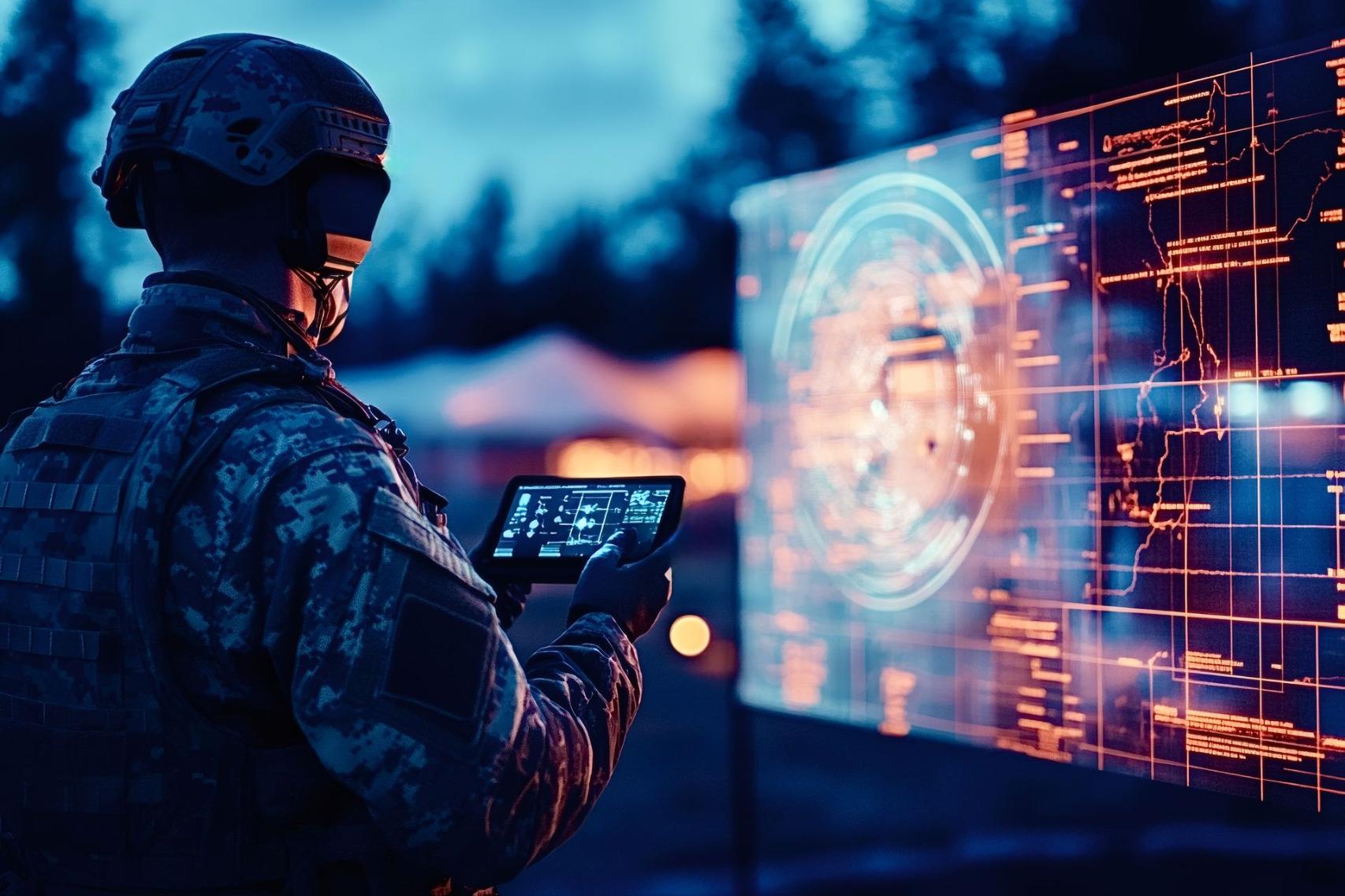
Effective situational awareness requires more than eyes on the ground. Modern defense and security operations depend on layered sensor networks — cameras, radar, acoustic sensors, seismic detectors, and electronic monitoring systems — feeding data to command platforms that allow commanders to understand what is happening across a wide area in near real time.
CellQual's role in this domain is as an integration partner. We do not manufacture surveillance sensors or command platforms. We support the integration of these systems — ensuring that different sensor types communicate with command and control platforms, that video and data streams are transported reliably over the communications network, and that the resulting capability is tested and validated before operational use.
Our work covers perimeter and area surveillance, detection of intrusion and movement, integration of sensor data with command and control systems, and the communications infrastructure that connects sensors to the command platform. We apply the same approach as in our broader communications work: engineering-led, vendor-independent, and oriented toward operational effectiveness.

Integration of camera, radar, acoustic, and other sensor systems into unified command and control platforms.

Design and engineering of video transport networks for high-definition surveillance over wireless and wired infrastructure.
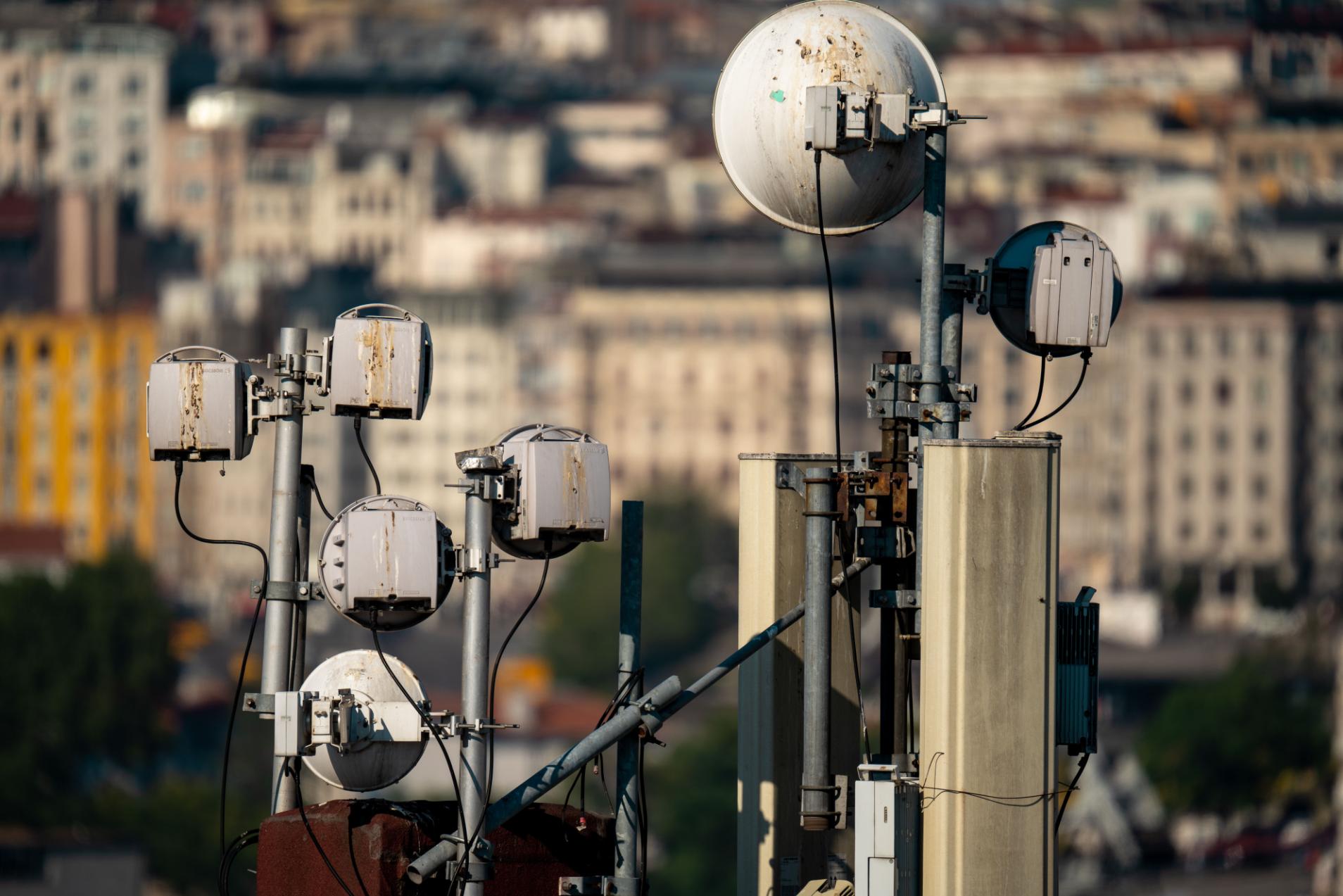
Engineering assessment of sensor placement, coverage gaps, and optimal deployment to achieve required coverage across the operational area.
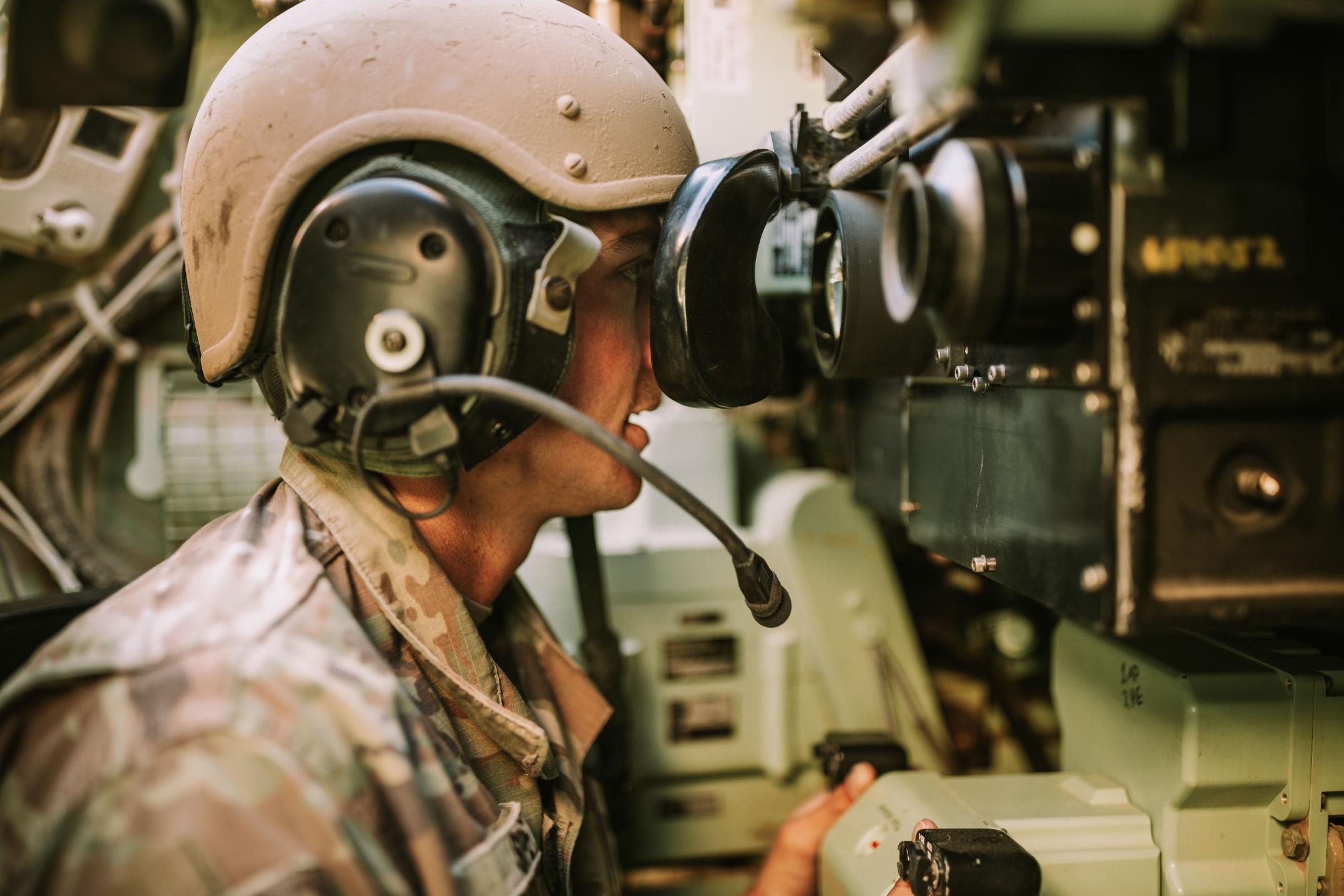
Connection of sensor systems to command and control software, enabling operators to receive, manage, and act on sensor data through a unified interface.
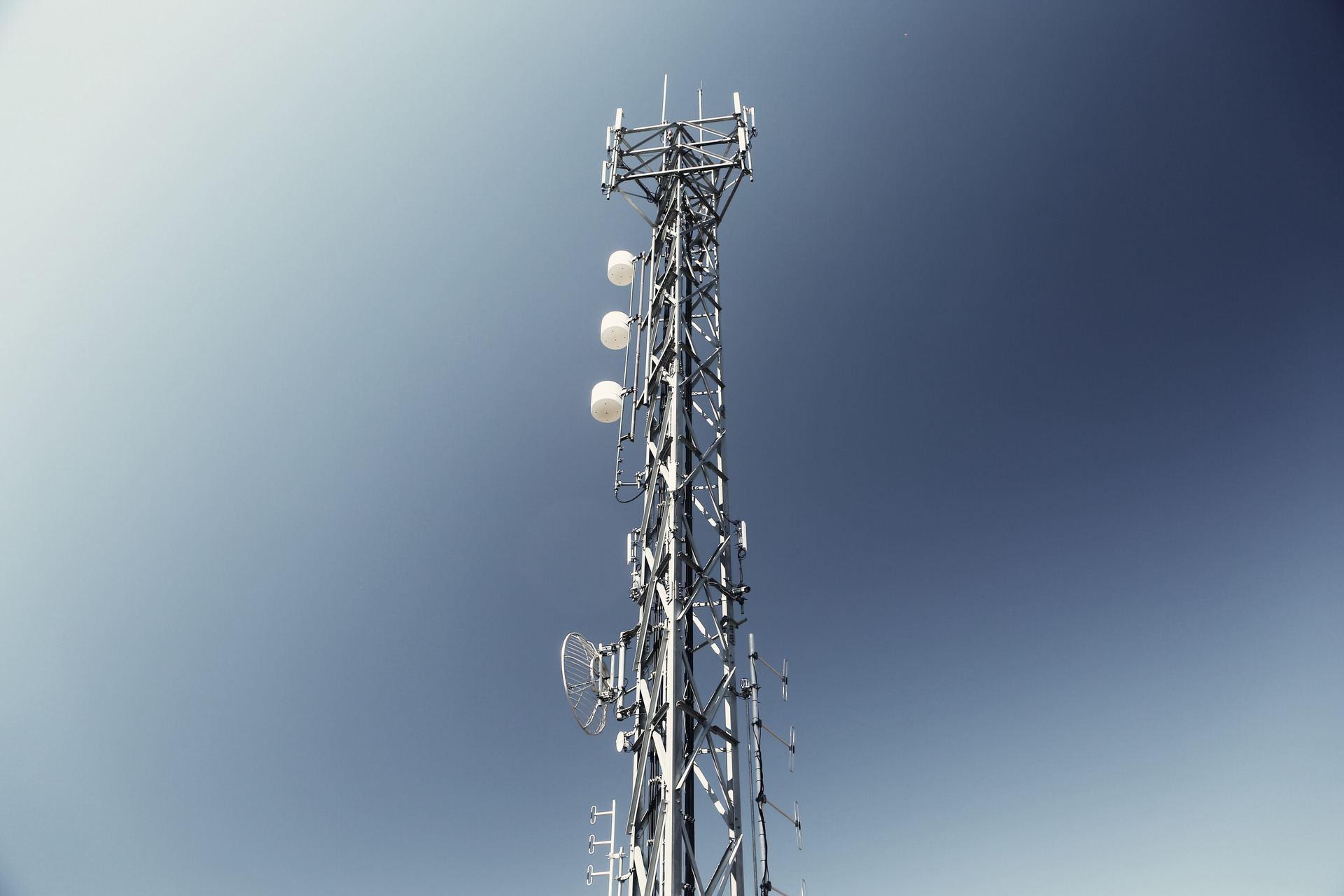
Structured testing of sensor networks, transport infrastructure, and command platform integration before operational handover.
A border security operation needs day-and-night surveillance across a wide area.
A defense facility needs perimeter detection and tracking.
An operation needs early detection of movement across an operational area.
An organization needs to bring multiple sensors into one monitoring picture.
Can’t find what you’re looking for? Talk to a CellQual engineer — we answer technical questions directly.
No. CellQual is an integration partner. We work with established sensor and platform vendors and provide the engineering services needed to integrate their systems into a coherent, operational capability. We do not manufacture surveillance equipment.
Yes. In many cases surveillance and detection systems need to alert or report to radio network users as well as control room operators. CellQual can engineer the integration between surveillance systems and radio communication networks, including alarm notifications and video sharing.
Bandwidth requirements depend on the number of cameras, video resolution, frame rate, compression codec, and quality setting. A standard 1080p camera stream typically requires 4 to 10 Mbps. High-definition 4K streams require significantly more. CellQual calculates the aggregate bandwidth requirement for the full sensor network as part of transport design, including allowance for peak concurrent demand.
Yes, where compatible video management system (VMS) interfaces are available. Most modern cameras support ONVIF (Open Network Video Interface Forum) standards, which provides a common protocol layer for integration. For sensors beyond standard cameras — radar, acoustic, seismic — integration depends on the API and protocol support of both the sensor and the command platform. CellQual assesses integration compatibility as part of system design.
Surveillance networks require network security measures to protect against unauthorized access to video streams or control of cameras. These include network segmentation to isolate the surveillance network, authentication for camera access, encrypted video streams where required, and access control for the management platform. CellQual includes network security as a design requirement, not a post-deployment addition.

CellQual provides integration engineering for surveillance and detection systems. Contact our defense team to discuss your situational awareness requirement.