












Threat assessment advisory
Assessment of the UAS threat relevant to a specific site, facility, or operational environment, including threat vectors, drone categories, and operational scenarios.
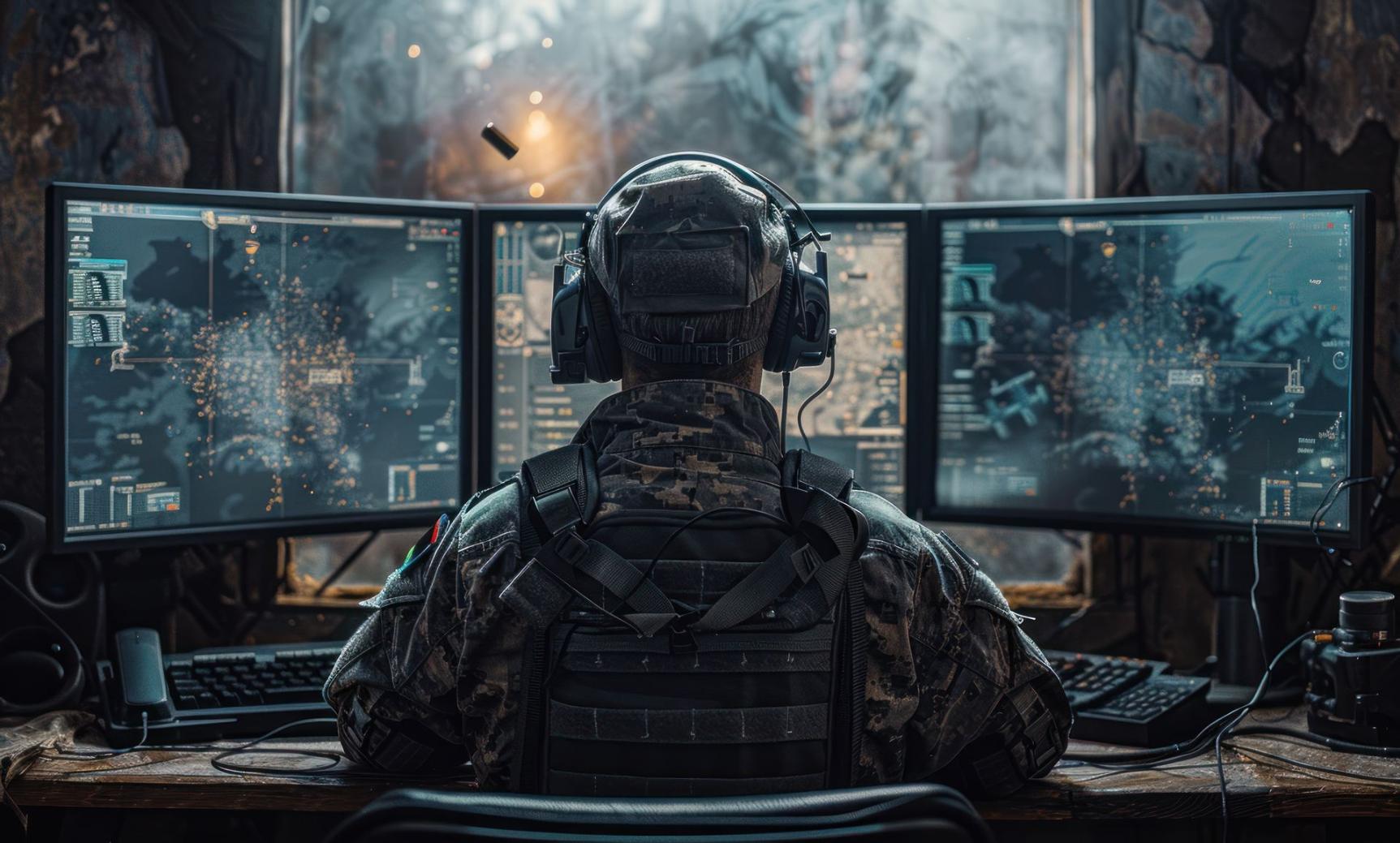
CellQual provides advisory, assessment, and integration engineering support for counter-UAS and force protection capabilities, helping defense, government, and critical infrastructure organizations understand and address the growing threat posed by unmanned aerial systems. CellQual provides independent technical advisory, architecture assessment, and integration support — ensuring that counter-UAS systems are chosen and deployed on the basis of operational requirement, not supplier marketing.
Unmanned aerial systems present a growing and evolving threat to military installations, critical infrastructure, public events, and government facilities. Small, commercially available drones can be used for reconnaissance, payload delivery, or direct attack, and the response capability required is more complex than for traditional air threats.
Effective counter-UAS capability requires multiple layers: detection of the threat (radar, radio frequency, acoustic, and optical sensors), classification to confirm that a detected object is a UAS and assess its type and behavior, and a response that is proportionate, legally authorized, and operationally effective.
CellQual supports organizations working to develop and implement counter-UAS capability. Our role is advisory and integration-focused — we help customers understand the threat, assess available technology options from established providers, design an integrated multi-layer counter-UAS architecture, and coordinate the engineering integration. We do not manufacture counter-UAS systems.
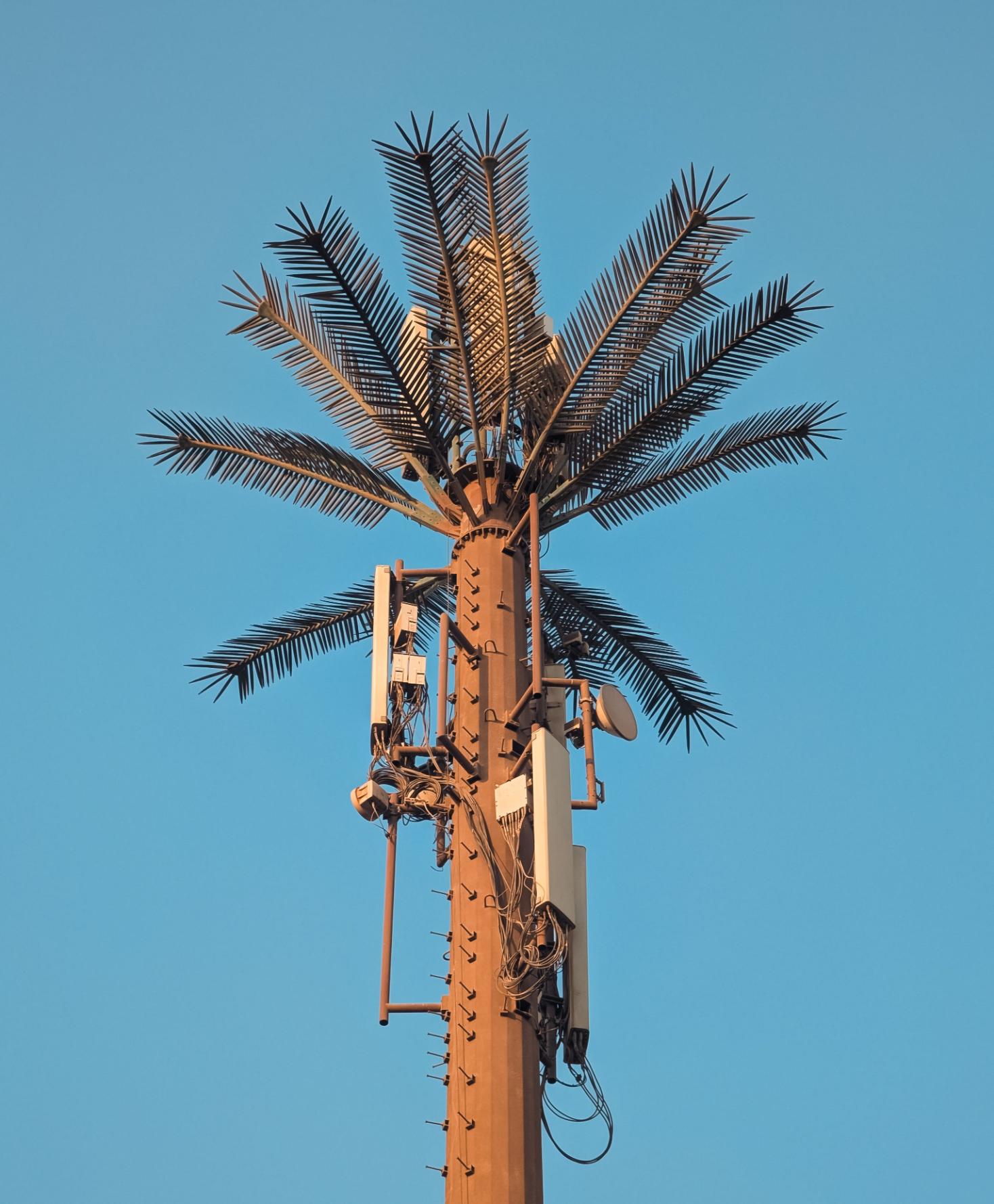
Assessment of the UAS threat relevant to a specific site, facility, or operational environment, including threat vectors, drone categories, and operational scenarios.
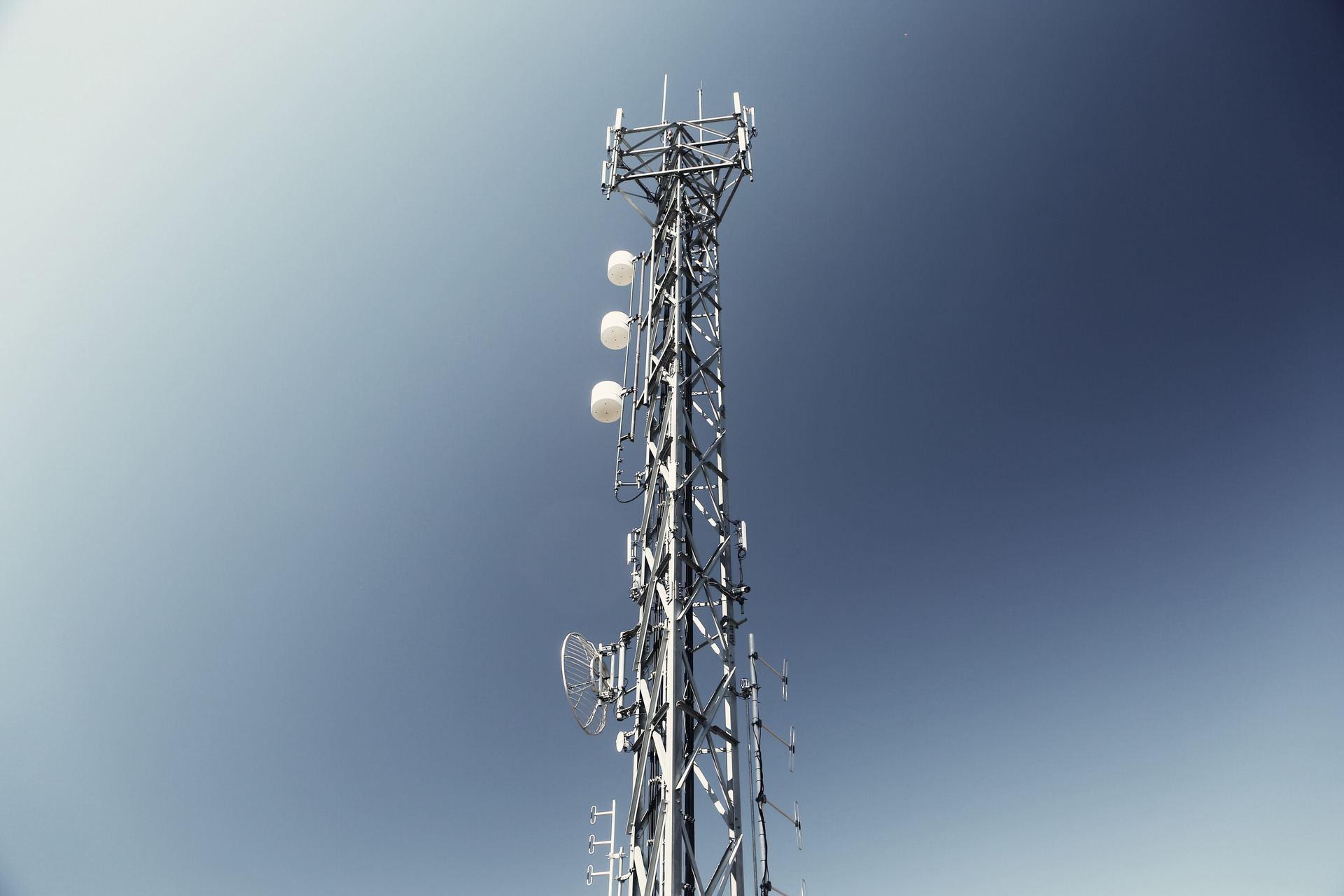
Independent assessment of counter-UAS detection, classification, and response technologies from established providers, evaluated against the specific operational requirement.
Design of an integrated counter-UAS system incorporating detection sensors, classification algorithms, command and control, and response options appropriate to the operational and legal framework.

Engineering support for integrating counter-UAS detection and classification systems with existing surveillance, communications, and command infrastructure.

Structured testing of the counter-UAS capability against defined operational scenarios, including detection range, classification accuracy, and response time.
A defense facility needs protection against drone surveillance and threats.
A government site needs to detect and respond to unauthorized drones.
A critical infrastructure operator needs airspace protection over a sensitive site.
An operation needs deployable counter-UAV capability for a defined area.
Can’t find what you’re looking for? Talk to a CellQual engineer — we answer technical questions directly.
Counter-UAS operations, particularly any active response capability, are subject to national aviation law, spectrum regulations, and in many jurisdictions specific counter-UAS legislation. The legal framework for different types of response — electronic jamming, signal spoofing, physical interdiction — varies significantly between countries. CellQual advises on the technical aspects of counter-UAS capability and recommends that customers obtain appropriate legal advice on the authorized response options available in their jurisdiction.
CellQual coordinates the supply and integration of counter-UAS detection and classification systems through established providers and approved channels. Active response systems are subject to specific regulatory and export-control requirements, and CellQual handles all such supply in accordance with applicable regulations.
Soft-kill responses disable or divert a UAS without physical destruction. They include radio frequency jamming, GPS spoofing, and signal takeover. Hard-kill responses physically intercept or destroy the UAS using directed energy, nets, projectiles, or trained raptors. Different jurisdictions permit different response types, and the legal framework varies significantly. CellQual's advisory focuses on lawful detection, classification, and decision support, with response options assessed against the applicable legal framework for the specific location.
Detection and classification accuracy varies significantly between systems, detection technologies, and environmental conditions. Radar-based systems can detect UAS at longer range but may struggle in cluttered environments. RF detection can identify UAS by their radio signatures but requires a database of known signatures. Visual and thermal sensors provide classification data but depend on range and lighting conditions. No current system provides perfect detection and classification under all conditions. CellQual provides an honest assessment of realistic system performance rather than vendor headline specifications.
Detection and classification generate a threat picture that enables a response decision. The response decision — which response option to employ, and when — remains a human judgment based on the ROE, legal authority, and confidence in the classification. Automated response without human authorization raises legal and safety concerns that differ by jurisdiction. CellQual's counter-UAS architecture includes a clear human decision layer between classification and any response.

Contact CellQual to discuss your counter-UAS requirement. We provide advisory and integration engineering to help you understand and respond to the threat.